
Project Details
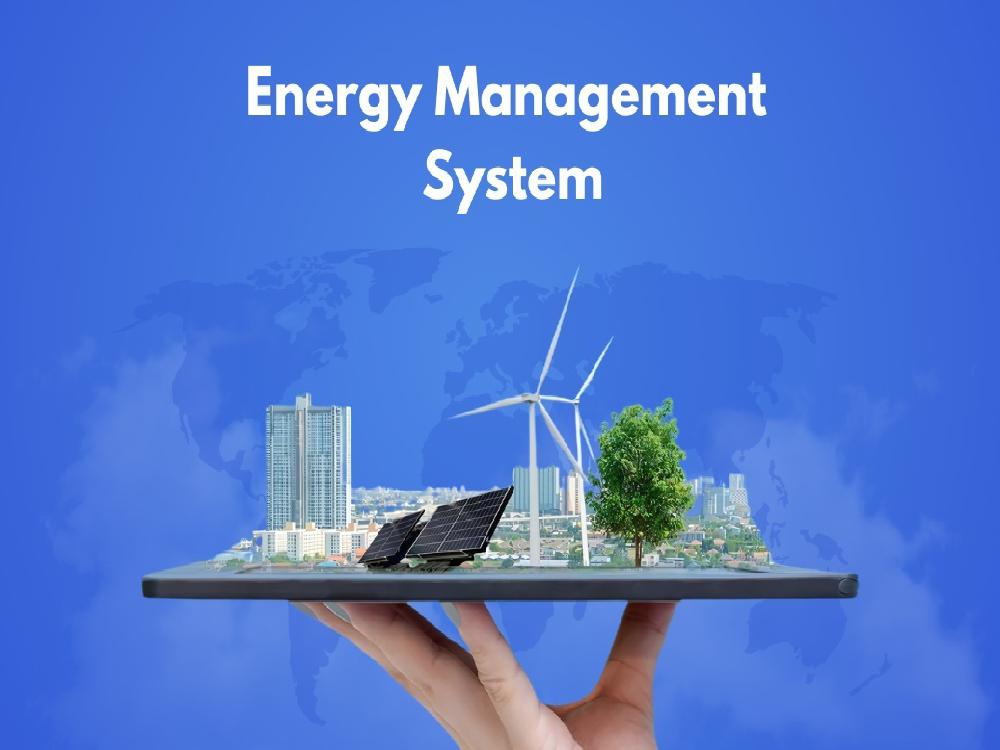
Energy Management System (EMS)
An **energy management system (EMS)** is a technology-based framework and set of practices used to **monitor, control, and optimize energy consumption** in buildings, industrial facilities, and even entire grids. By collecting and analyzing energy data in real-time, EMS helps organizations **reduce energy costs**, improve **operational efficiency**, and decrease their **environmental impact** through informed decision-making and automated control of energy-consuming assets.
How an EMS Works
- Data Collection
- An EMS uses sensors and other hardware to collect real-time data on energy usage across various systems, such as HVAC, lighting, and machinery.
- Data Analysis
- Sophisticated software analyzes this data to identify patterns, trends, and anomalies in energy consumption.
- Optimization & Control
- Based on the analysis, the system provides actionable insights and can automatically adjust energy flows to optimize usage, reduce waste, and manage energy costs.
- Reporting & Monitoring
- Users access an interface to visualize energy performance, view key performance indicators (KPIs), and track progress towards energy goals.
Key Benefits of an EMS
- Cost Savings: Reduces energy bills by identifying and eliminating unnecessary consumption and managing peak demand.
- Improved Efficiency: Optimizes operations by ensuring that energy is used only when and where it's needed.
- Environmental Sustainability: Lowers greenhouse gas emissions by promoting energy efficiency and reducing overall energy use.
- Better Decision-Making: Provides data-driven insights for strategic energy decisions and the implementation of energy-saving measures.
- Regulatory Compliance: Helps organizations meet energy-related regulations and sustainability goals.
Applications of an EMS
- Buildings: Monitors and controls HVAC, lighting, and power systems to create comfortable and energy-efficient environments for occupants.
- Industries: Optimizes energy use in manufacturing processes to lower operating costs and improve overall productivity.
- Electric Grids: Manages the generation and transmission of electricity, and in microgrids, optimizes the distribution of energy from sources like solar panels and batteries.